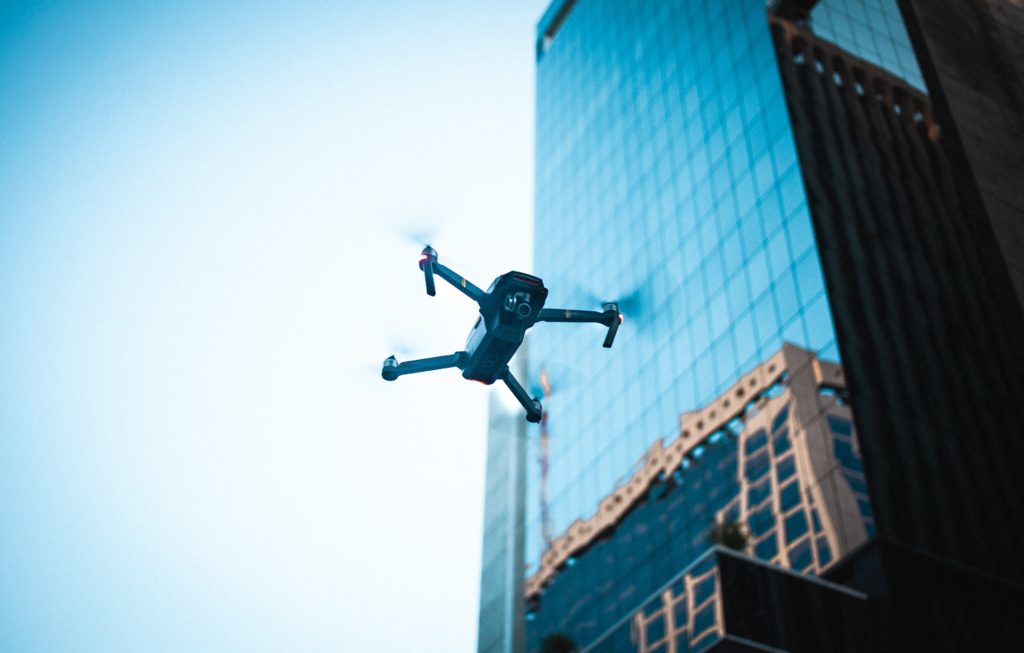
The landscape of architectural photography is soaring to new heights, thanks to the advent of drone technology. While the use of drones was once limited to military applications and aerial filming in Hollywood, these high-tech gadgets have found their place in the toolkits of architectural photographers around the globe.
The Revolution of Architectural Photography
Architectural photography is all about capturing the essence of a building, interpreting the architect’s vision, and representing the structure in its best light. With drones, the scope of what’s possible to achieve has dramatically expanded.
Previously inaccessible viewpoints, like the bird’s-eye view of a building, are now within our reach. Drones can fly to almost any height and capture images from various angles, thus allowing photographers to create more dynamic, detailed, and engaging visuals. This ability to showcase a building in its complete context, including its surroundings, adds a new layer of depth and understanding to the field of architectural photography.
Legal Considerations
As with all disruptive technologies, drone usage is subject to various rules and regulations to ensure safety and protect privacy. Laws differ across countries and regions, so it’s essential for photographers to familiarize themselves with local regulations.
In the United States, for instance, the Federal Aviation Administration (FAA) mandates that drone operators must obtain a Part 107 drone license for commercial use. This includes any photography services exchanged for compensation. There are also regulations regarding where drones can fly, how high they can go, and the time of day they can operate. Similarly, many European countries require licenses for commercial drone usage, and some places may have restrictions or outright bans on flying drones.
Best Practices
To make the most out of drone technology in architectural photography, there are a few best practices to follow:
- Planning is Crucial: Before sending your drone to the sky, plan your shoot carefully. This includes checking the weather, planning your flight route, and ensuring you have permissions for flying in the desired area.
- Use the Right Equipment: Not all drones are created equal. Some offer better stability, higher resolution cameras, or longer flight times. Choose the one that fits your requirements best.
- Master Your Drone: It’s important to understand how to operate your drone safely and effectively. Practice navigating it around obstacles, controlling its altitude, and capturing smooth, steady footage.
Pros and Cons of Using Drones in Architectural Photography
Like any technology, drones have their benefits and drawbacks.
Pros:
- Unique Perspectives: Drones provide access to perspectives that are impossible to achieve from the ground.
- Cost-Effective: They’re more cost-efficient than hiring a helicopter or installing expensive scaffolding for aerial shots.
- Convenience: Drones are portable and can be deployed quickly.
Cons:
- Legal Restrictions: As mentioned earlier, there are several rules and regulations that govern the use of drones.
- Limited Flight Time: Most drones can only fly for a limited time before they need to be recharged.
- Weather Dependent: Drones can’t be used in all weather conditions, especially in high winds or rain.
The use of drones in architectural photography is still in its nascent stages, but the potential is immense. As regulations evolve and drone technology advances, we can expect to see even more incredible uses of this technology in the field. The sky is quite literally the limit!
Cover photo by Tom Fisk – Article photo by Deybson Mallony
Leave a Reply